Every business, at some point, deals with a client who doesn’t pay on time. For a large corporation, a single overdue invoice might barely register. For a small business, it can be the difference between a good month and a genuinely dangerous one.
Outstanding debt isn’t just an accounting inconvenience, left unmanaged, it can quietly undermine everything a small business owner has worked to build. Here’s what outstanding debt really means, why small businesses are especially exposed to it, and how to protect your business from its worst effects.
What is Outstanding Debt?
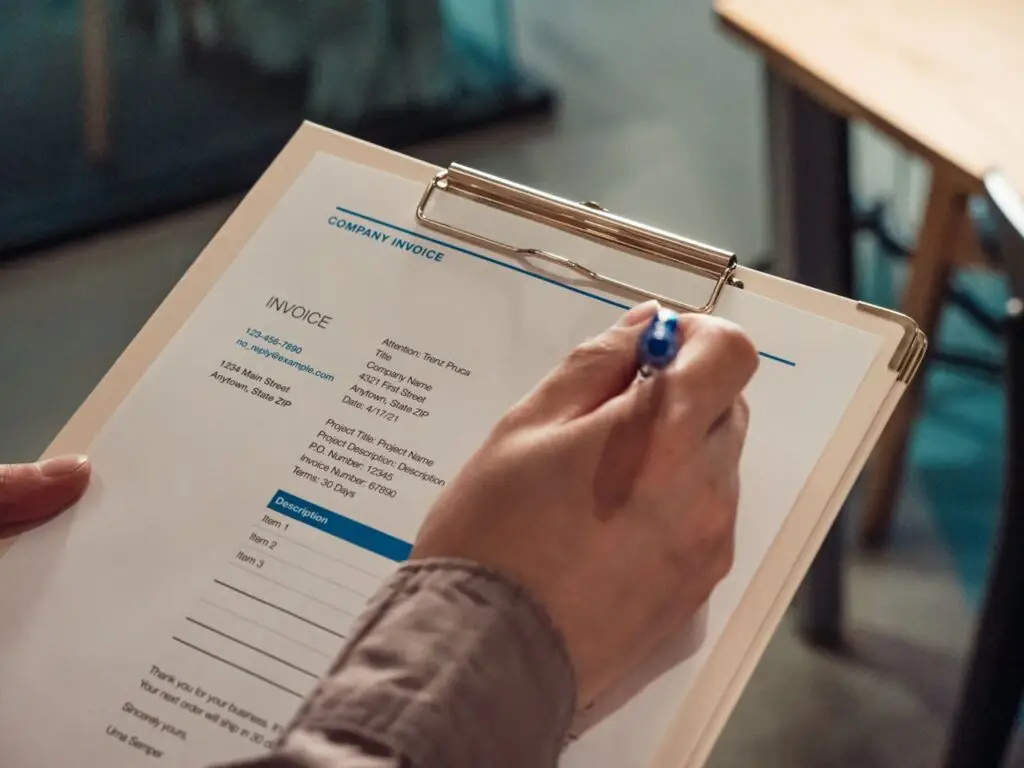
Outstanding debt is any money owed that hasn’t yet been paid. For a small business, this most commonly takes the form of unpaid customer invoices, work completed or goods delivered, with payment still pending past the agreed terms. It can also include unpaid vendor accounts, overdue loan repayments, or any other financial obligation still sitting on the books. The longer an amount stays unpaid past its due date, the riskier it becomes.
Not all outstanding debt is equally dangerous. A single late payment from a normally reliable client is a minor irritation. A pattern of overdue accounts across your customer base is a structural problem needing urgent attention.
Why Outstanding Debt Hits Small Businesses Especially Hard
Larger companies typically have the cash reserves, credit lines, and diversified income streams to absorb a slow-paying client without much disruption. Small businesses rarely have that same cushion.
Many small businesses operate on thin margins with limited working capital. A handful of unpaid invoices can represent a significant percentage of monthly revenue, sometimes the difference between covering payroll and falling short. Small business owners are also more likely to be personally exposed, since business and personal finances often overlap for sole proprietors and owner-operators, meaning outstanding debt in the business can threaten personal financial stability too.
The Harm Outstanding Debt Causes Small Businesses

It Restricts Cash Flow
Cash flow is the lifeblood of any small business. When money owed to you isn’t coming in on schedule, you still have to pay your own bills, rent, salaries, suppliers, and taxes, regardless of whether your customers have paid theirs. Outstanding debt creates a mismatch between money earned on paper and money actually available to spend, and this is one of the most common reasons small businesses run into serious financial trouble.
It Elevates Borrowing Costs
When outstanding debt starts to strain cash flow, many business owners turn to short-term borrowing, credit lines, or overdrafts to bridge the gap. This is often necessary, but it comes at a cost. Relying on high-interest, short-term credit to plug cash flow holes caused by unpaid invoices quietly erodes profit margins over time, and lenders often charge higher rates to businesses that show signs of cash flow instability, making the borrowing even more expensive.
It Limits Growth Opportunities
Money tied up in unpaid invoices is money that can’t be reinvested in the business. Outstanding debt directly limits a business’s ability to hire, purchase stock, upgrade equipment, or take on new opportunities. Owners end up making decisions based on what unpaid accounts allow, rather than what would genuinely grow the business, sometimes watching competitors expand while their own business is stuck managing a cash flow deficit that isn’t even their fault.
It Damages Supplier and Business Relationships
Cash flow problems caused by outstanding debt often cascade outward. If you can’t pay your own suppliers on time because your customers haven’t paid you, those relationships come under strain too, sometimes resulting in less favourable terms or lost goodwill with the very partners your business depends on.
It Takes an Emotional Toll on Business Owners
The financial harm of outstanding debt is only part of the picture. The emotional and psychological impact on small business owners is significant and often underestimated. Cash flow anxiety is one of the most commonly cited sources of stress among small business owners, and it’s easy to understand why, outstanding debt means constantly juggling obligations, delaying your own plans, and lying awake wondering whether next month’s numbers will work out. This stress doesn’t stay contained to the business; it affects decision-making, health, and overall quality of life.
How ERS Debt Collect Can Help

This is exactly the gap ERS Debt Collect exists to close. We help South African small and medium-sized businesses recover outstanding monies so that outstanding debt stops draining your cash flow, your growth potential, and your peace of mind.
We take the burden off your shoulders: Chasing overdue accounts is time-consuming and uncomfortable. We manage the entire recovery process on your behalf, so you can focus on running your business.
We protect your relationships: Our amicable, professional approach prioritises respectful communication with debtors, helping you recover what you’re owed without unnecessarily damaging valuable customer relationships.
We keep you informed: You’ll never be left wondering where a matter stands. We provide monthly progress and payment reports, with proof of payment, giving you full visibility into every account.
We work on a no-win-no-fee basis: There are no upfront costs, we’re only paid when we successfully recover your money.
We escalate responsibly when needed: If amicable efforts don’t resolve a matter, we can proceed, with your authorisation, to more formal action, in line with the Debt Collection Act and the Council for Debt Collectors’ Code of Conduct.
Conclusion
Outstanding debt is more than a line item on a balance sheet. For small businesses, it can restrict cash flow, drive up borrowing costs, limit growth, and place real emotional strain on the people trying to keep everything running. The good news is that it doesn’t have to stay that way.
If outstanding debt is putting pressure on your business, contact ERS Debt Collect today for a free, no-obligation assessment. Let us help you turn overdue invoices back into working capital ethically, professionally, and without adding to your stress.
FAQs
What does outstanding debt mean?
Outstanding debt refers to any money that is owed but has not yet been paid. This typically includes unpaid customer invoices, overdue vendor accounts, or unpaid loan instalments essentially, any financial obligation that remains unsettled past its due date.
What does it mean if a debt is outstanding?
If a debt is described as outstanding, it means the payment is still owed and has not yet been received by the creditor. The debt remains open on the books until it is paid in full, written off, or otherwise resolved.
How do I see my outstanding debt?
For a business, outstanding debt is generally tracked through your accounts receivable records or accounting software, which show which invoices remain unpaid and for how long. For personal or business credit obligations, South African consumers and businesses can request a free credit report each year from registered credit bureaus, which provides a clear overview of current outstanding balances, overdue accounts, and any adverse listings.
What happens after 3 years of not paying debt?
In South Africa, most debts prescribe after three years under the Prescription Act 68 of 1969, provided the debtor hasn’t made a payment, acknowledged the debt, or been served with a summons during that period. Once prescribed, the debt generally becomes legally unenforceable. However, some debts, including home loans, judgment debts, and money owed to SARS, carry a much longer prescription period of up to 30 years, so not all outstanding debt follows the same three-year rule.