
When an account remains unpaid despite repeated reminders and attempts to resolve the matter, creditors may decide that further action is necessary. One of the most common phrases debtors encounter at this stage is that their account has been “handed over.”
Being handed over is a significant step in the debt recovery process. It signals that the creditor has exhausted its own collection efforts and has appointed a professional debt collection agency or attorney to recover the outstanding amount.
Understanding what it means when an account is handed over can help both creditors and debtors appreciate the importance of acting promptly before recovery measures escalate.
What it Means for Debt to Be Handed Over

When debt is handed over, it usually means the creditor has transferred the collection of the outstanding account to a registered debt collection agency or an attorney.
This decision is typically made after the debtor has failed to settle the account or respond satisfactorily to previous collection efforts.
At this stage, the appointed professionals take over communication with the debtor and work to recover the outstanding amount. If necessary and legally appropriate, the matter may eventually proceed to legal action.
For debtors, being handed over often results in additional costs because further recovery action has become necessary.
Why Do Creditors Hand Over Debt?
Businesses rely on steady cash flow to operate successfully. When customers fail to pay outstanding invoices, it can affect the company’s ability to pay suppliers, employees, and other operational expenses.
Most businesses would prefer to resolve overdue accounts directly. However, if payment is not received despite reasonable efforts, handing the matter over to professionals often becomes the most practical solution.
Creditors may decide to hand over debt when:
- Payment deadlines have repeatedly been missed.
- Multiple reminders have gone unanswered.
- Payment arrangements have been broken.
- The debtor disputes the account without valid grounds.
- Internal collection efforts have been unsuccessful.
Professional debt collectors have the experience, systems, and legal knowledge required to pursue outstanding accounts efficiently and in accordance with South African legislation.
The Process Before Debt is Handed Over
Handing over an account is usually not the first step in the recovery process. In most cases, creditors follow a structured approach that gives debtors several opportunities to resolve the matter voluntarily.
Initial Payment Reminder
Once an account becomes overdue, the creditor generally sends payment reminders requesting that the outstanding balance be settled.
In many cases, late payment is the result of an oversight, and the matter is resolved quickly.
Follow-Up Communication
If payment is still not received, additional contact may be made through telephone calls, emails, or written correspondence.
At this stage, creditors often attempt to understand the reason for non-payment and may negotiate payment arrangements where appropriate.
Formal Demands
Should the account remain unpaid, formal letters of demand may be issued.
These notices outline the outstanding balance, explain the basis of the debt, and warn that further recovery action may follow if payment is not received.
The Account is Handed Over
If the debtor continues to ignore the account or fails to honour agreed payment arrangements, the creditor may hand the matter over to a debt collection agency or attorney.
This marks the beginning of a more formal recovery process.
What Happens After an Account is Handed Over?
Once an account has been handed over, professional debt collectors begin working to recover the outstanding amount.
This typically involves:
- Reviewing the account documentation.
- Contacting the debtor.
- Negotiating payment or repayment arrangements.
- Issuing further formal demands where necessary.
- Advising the creditor on appropriate next steps.
- Referring the matter for legal action if recovery efforts remain unsuccessful.
Throughout this process, recovery activities should remain compliant with South African legislation and industry regulations.
What Are the Implications for Debtors?
Being handed over should never be ignored.
Apart from the outstanding debt itself, debtors may face several consequences depending on the circumstances of the matter.
These may include:
Additional Costs
Because professional recovery services are required, the debtor may become liable for additional collection costs, legal expenses, or other recoverable charges where permitted by law.
Credit Profile Consequences
Where legal requirements are met, continued non-payment may eventually lead to adverse information being reported to registered Credit Bureaus, affecting the debtor’s ability to obtain future credit.
Possible Legal Action
If reasonable collection efforts fail, the creditor may instruct attorneys to institute legal proceedings to recover the debt.
Legal action is generally regarded as a last resort after voluntary payment opportunities have been exhausted.
Why Early Action Benefits Everyone
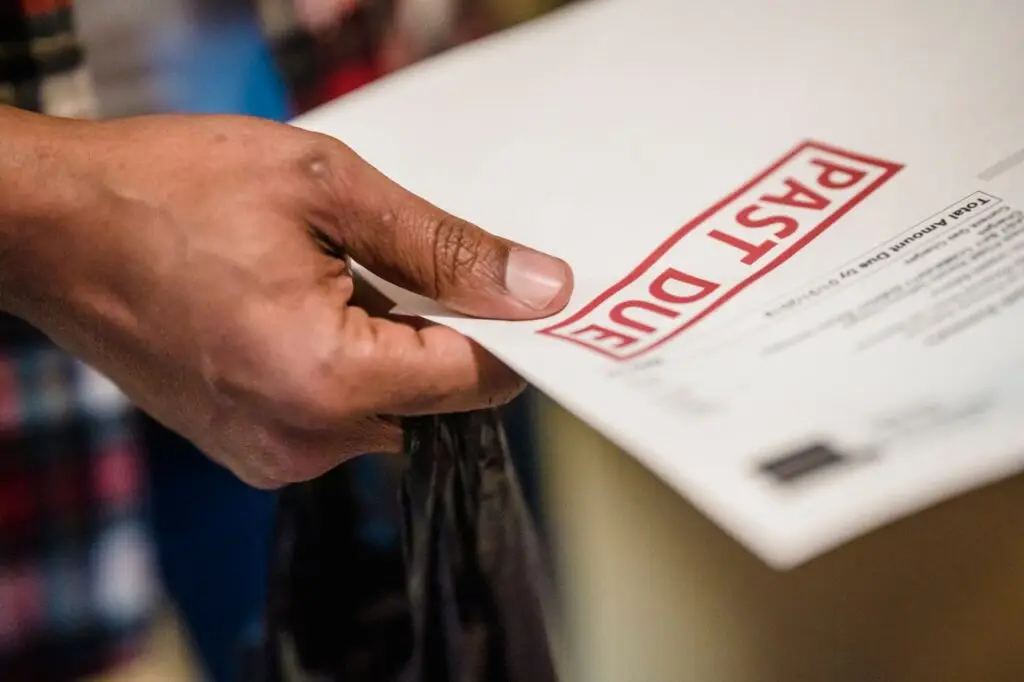
Responding promptly to overdue accounts often benefits both the creditor and the debtor.
For creditors, early recovery improves cash flow and reduces the risk of prolonged disputes.
For debtors, engaging early can help avoid additional recovery costs, prevent unnecessary escalation, and create opportunities to negotiate realistic repayment arrangements.
Ignoring collection correspondence rarely causes the debt to disappear and often makes the situation more difficult to resolve.
How ERS Debt Collect Can Help
ERS Debt Collect assists businesses throughout South Africa by providing professional, ethical, and legally compliant debt recovery services.
Our experienced team works as an extension of your business, helping recover outstanding accounts while maintaining professionalism and preserving customer relationships wherever possible.
Our services include:
- Contacting debtors on your behalf.
- Negotiating payment arrangements.
- Issuing formal collection demands.
- Monitoring recovery progress.
- Advising on appropriate escalation.
- Assisting with referrals for legal action when necessary.
Because ERS Debt Collect operates on a no-win, no-fee basis, businesses can pursue outstanding accounts without significant upfront financial risk.
By handing overdue accounts to experienced professionals early, businesses can often improve recovery rates while reducing the administrative burden on their internal teams.
Conclusion
Having an account handed over is an important stage in the debt recovery process. It means the creditor has decided that professional assistance is needed to recover outstanding funds after previous collection efforts have been unsuccessful.
For debtors, it is an opportunity to engage constructively before the matter progresses further. For businesses, it provides access to experienced debt recovery specialists who understand the legal framework and know how to maximise recovery while protecting valuable commercial relationships.
ERS Debt Collect helps businesses recover unpaid accounts efficiently, professionally, and in accordance with South African law, giving clients the confidence that every matter is handled with integrity and expertise.
FAQs
What happens when your debt is handed over?
When your debt is handed over, the creditor appoints a debt collection agency or attorney to recover the outstanding amount. The new representative will contact you to arrange payment, and if the matter remains unresolved, further legal recovery steps may be considered where appropriate.
How long does debt become prescribed when it is handed over?
Simply handing a debt over to a debt collection agency does not automatically stop prescription. However, certain actions, such as the issuing of a summons or an acknowledgement of the debt through payment, may interrupt prescription under the Prescription Act. The applicable prescription period depends on the type of debt and the specific circumstances.
What does it mean when your account is handed over?
It means the original creditor has transferred responsibility for recovering the outstanding account to professional debt collectors or attorneys because previous attempts to collect payment have not been successful.
What happens after 3 years of not paying debt?
Many ordinary debts in South Africa may prescribe after three years if no payment has been made, the debt has not been acknowledged, and no legal action has interrupted prescription. However, important exceptions apply, and some categories of debt have much longer prescription periods. The specific circumstances of each debt should always be considered before assuming it has prescribed.